
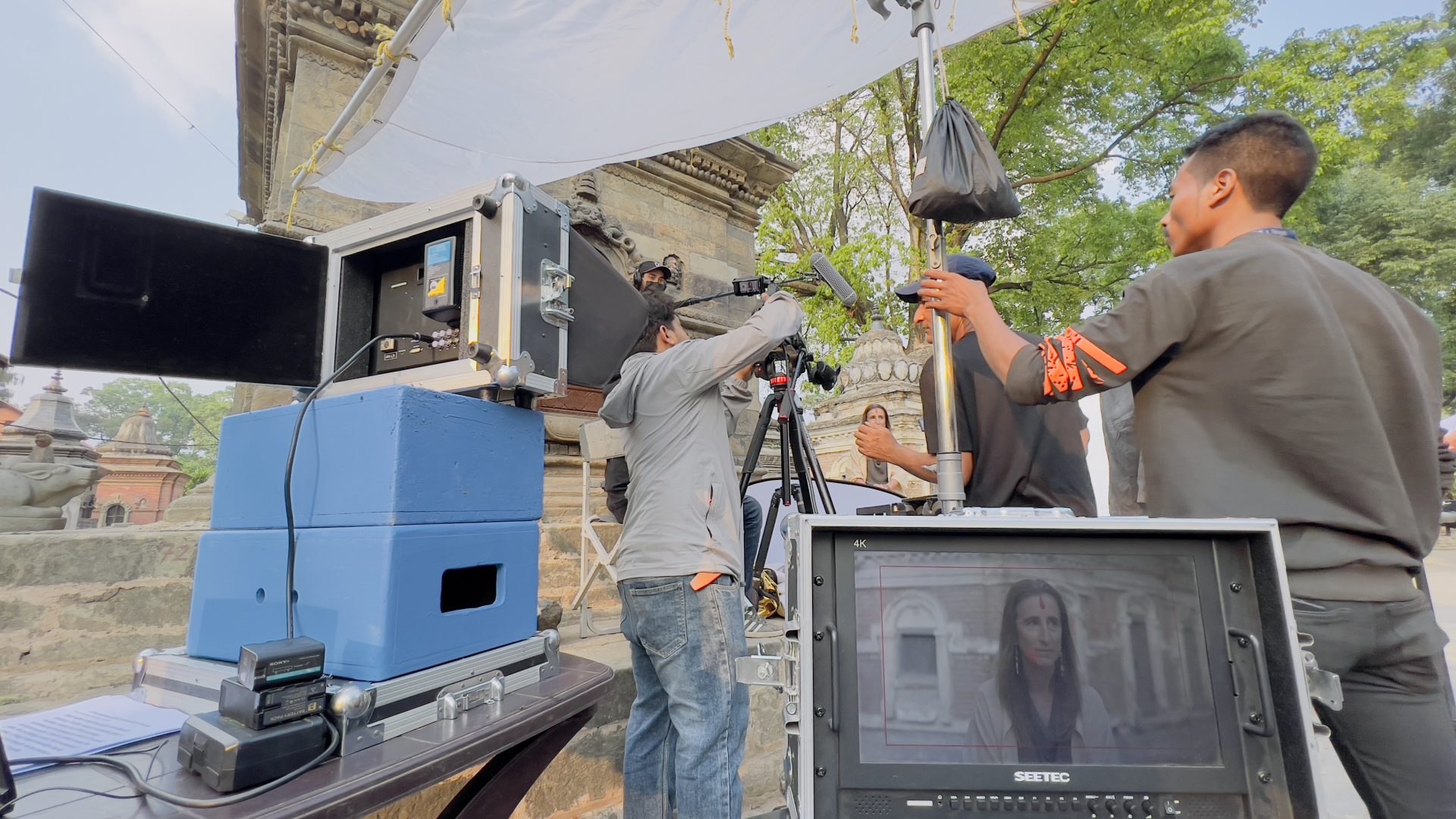
Hire a fixer for a small, fast shoot, a line producer when someone must own the budget and schedule, and a production service company when the shoot is large, permit-heavy or needs one accountable partner. Whichever you choose, Nepal’s permit process requires a local coordinator that you authorise in writing.
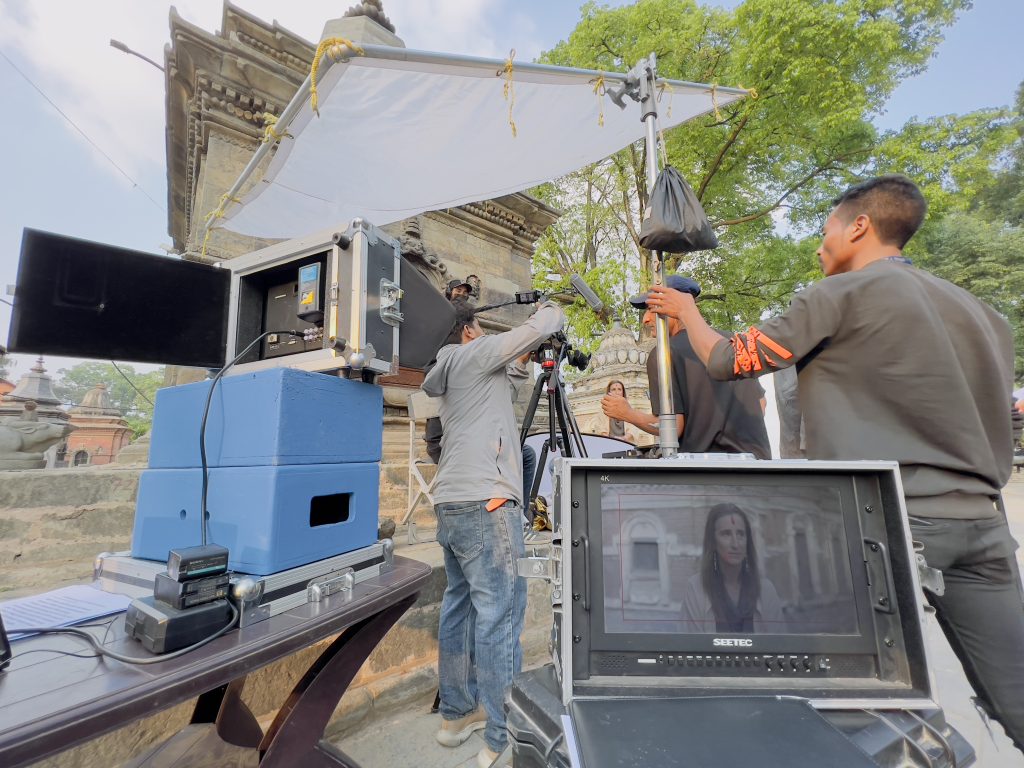
The three roles in one table
| Role | Best for | Usually handles | Usually charges |
|---|---|---|---|
| Fixer | Small crews, news and documentary work, quick turnarounds | Local contacts, translation, access to people and places, ground logistics | A day rate or a flat package |
| Line producer | Mid-size shoots that need a plan and a budget | Schedule, budget, crew hiring, suppliers, permit coordination | A fee for prep, shoot and wrap, plus the budget they manage |
| Production service company | Large, multi-location or permit-heavy shoots | All of the above under one contract, including paperwork, equipment and accounts | A producer fee on top of costs |
What Nepal’s permit rule means for your choice
Foreign productions apply for a shooting permit through Nepal’s Ministry of Communication and Information Technology, with the Film Development Board as a point of contact. The Board’s own guidance for foreign filmmakers says the filmmaker must hire a local coordinator and provide a letter authorising them. The application carries crew details with passport numbers, an itinerary with dates and locations, and an equipment list with values.
Some locations need extra consent letters, including archaeological sites, Pashupatinath, conservation areas, Upper Mustang, Upper Dolpa and Lumbini. The same page lists extra charges for some of them and 25% extra for drone filming. It shows no update date, so confirm current amounts with the Board before you budget.
So the real question is not whether you need local help but how much responsibility you hand over. Ask whoever you hire whether they will act as your authorised local coordinator and who signs the paperwork. Our guide to how to get a film permit in Nepal walks through the steps, and our film permit service page explains what we handle.
When a fixer is enough
- A small crew of two to four people working in one region.
- No restricted area, no drone and a short schedule.
- You already have a producer who owns the budget, insurance and contracts.
- What you need is access, translation and local knowledge. Our guide on why you need a professional fixer covers this case.
When you need a line producer
- A multi-day schedule across several locations.
- You want a line-item budget and cost reports as the shoot runs.
- Local crew, vehicles, hotels, cast or extras must be hired and managed.
- Your own producer is abroad and needs a person on the ground who is accountable. See our page on the line producer role in Nepal.
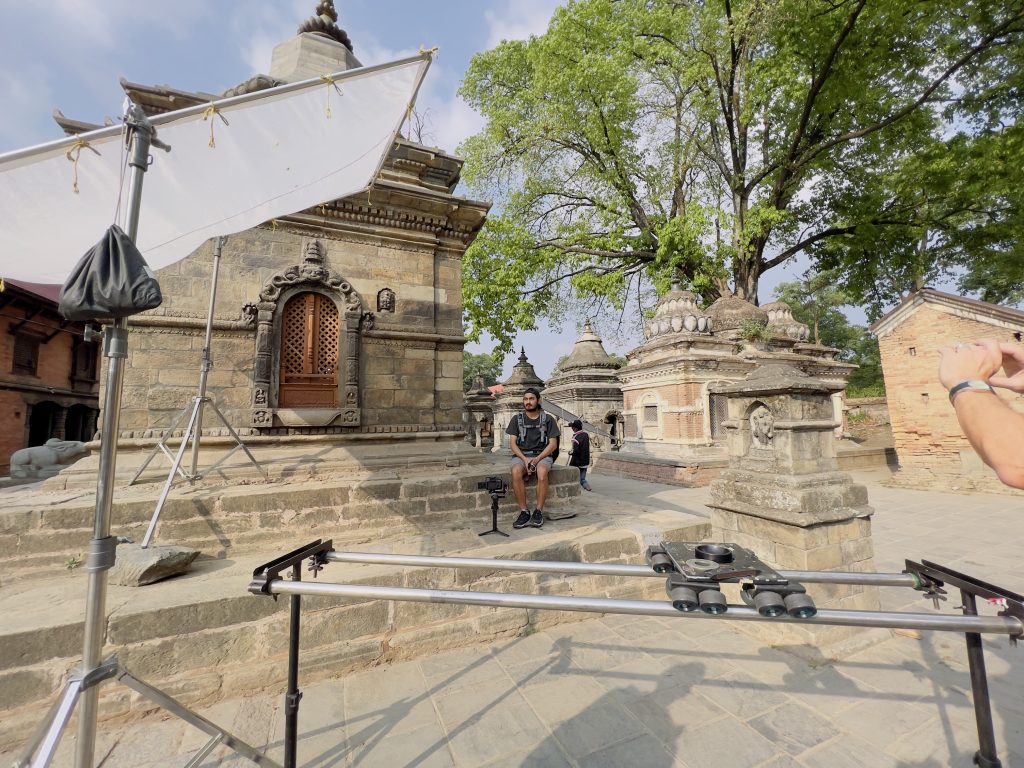
When a production service company is the safer choice
- The shoot includes a restricted area, a drone or a remote high-altitude location where safety planning matters.
- A broadcaster or studio needs insurance paperwork, compliant invoices and one accountable partner.
- The schedule leaves no room for permit delays. Permit lead time depends on the project, its locations and drone use, so ask your local partner to confirm it for your shoot.
Five questions to ask any local partner
- Who will be the authorised local coordinator on the permit application, and have they filed for locations like ours?
- Who is accountable if the schedule or the budget changes on set?
- What is in the price, and what is charged at cost? Ask for a line-item budget.
- What is the plan if weather, a festival closure or a blocked road stops a shooting day?
- Can I speak to a producer from a similar recent shoot?
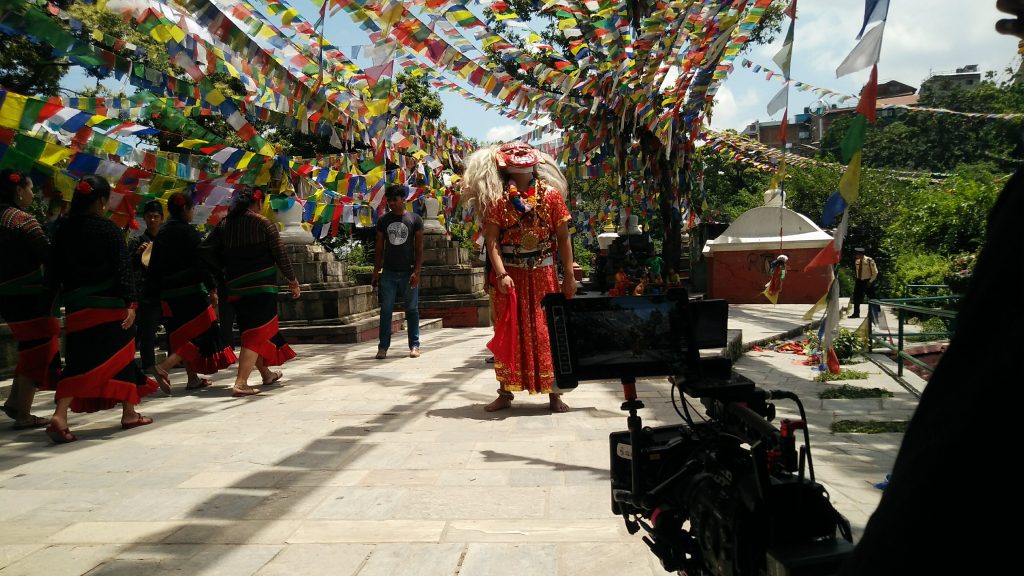
How Fixer In Nepal fits
Our team handles permit coordination, location scouting, logistics and cost control, either together or as separate services. A small crew can book fixing support only. A larger shoot can have a line producer and the full production-support team. The relevant pages are film permits, location scouting and management, logistics and transportation and budget planning and cost control. For the full picture of what a fixer does, read our complete guide to film fixing services.
Not sure which role fits your shoot? Send us the dates, locations and crew size through the contact page and we will tell you what you need and what you can leave out.
Quick answers
Do I need a fixer to film in Nepal? You need a local coordinator for the permit, according to the Film Development Board’s guidance. Many productions use a fixer, a line producer or a production company in that role.
Is a fixer cheaper than a production company? Usually for a small shoot, because a fixer charges a day rate without a producer fee. You then carry the budget and the risk yourself.
How long does a Nepal film permit take? The Board’s page gives no processing time, and it varies with scope, locations and drone use. Plan early and ask your local partner to confirm it for your shoot.
Related from Fixer In Nepal: see our past projects and filming permit in Everest.